Income verification for complex-income renters
Two Dots verifies income for self-employed, gig, and non-traditional applicants from the source data their income actually lives in — bank statements, tax transcripts, benefits letters, gig-platform records, and bank-linked deposits — so you approve qualified renters legacy screening would reject.
Book a demo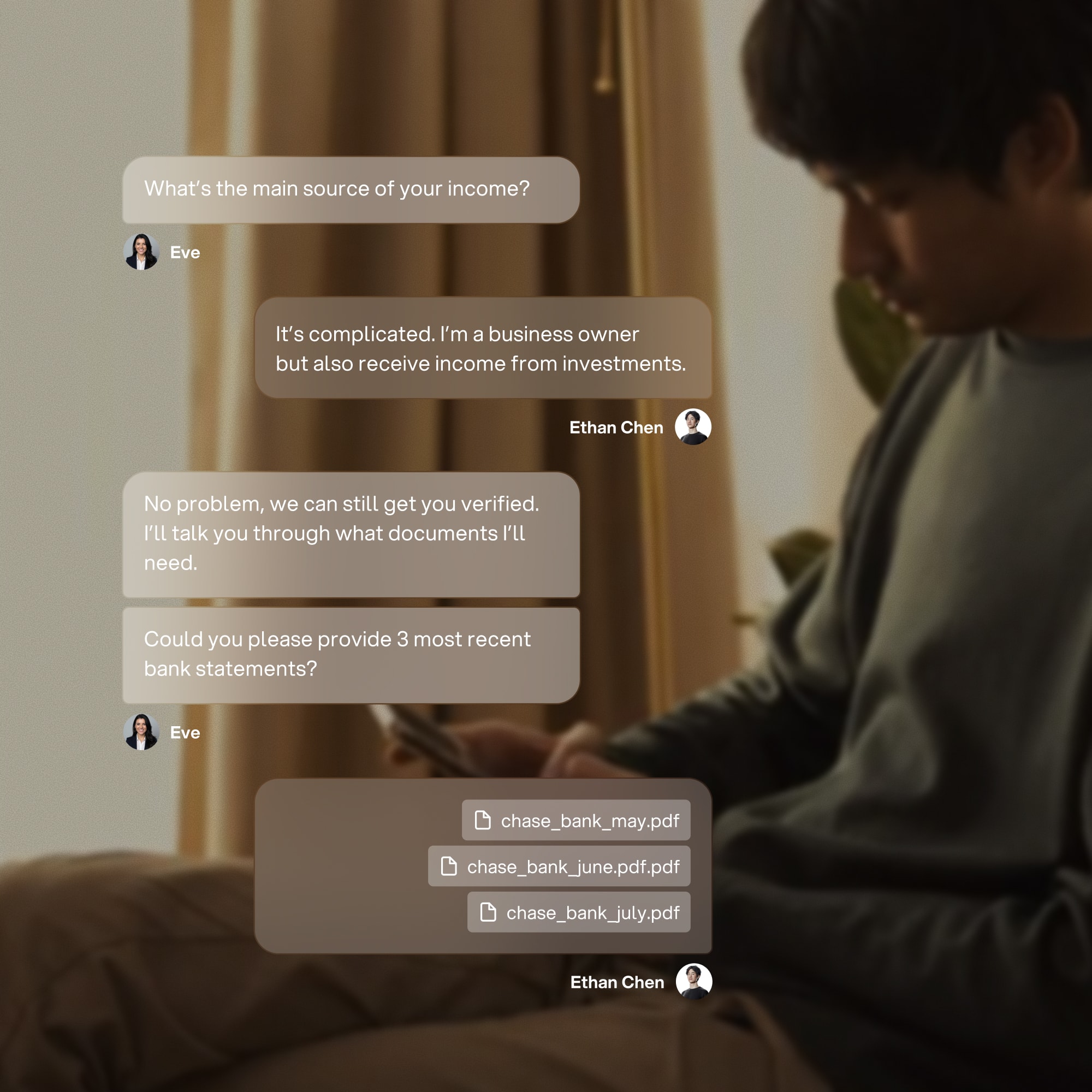
Trusted across 1M units in 43 states







Standard tenant screening assumes a simple income story: one employer, one W-2, two recent pay stubs. A growing share of renters don't fit that mold — freelancers, gig workers, contractors, business owners, and people with multiple income streams. When screening can't read their income, operators face a bad choice: reject qualified applicants or approve them blind. Two Dots solves this by verifying income from the source data itself.
Built for the income legacy screening can't read
Three things Two Dots does differently for non-traditional applicants.
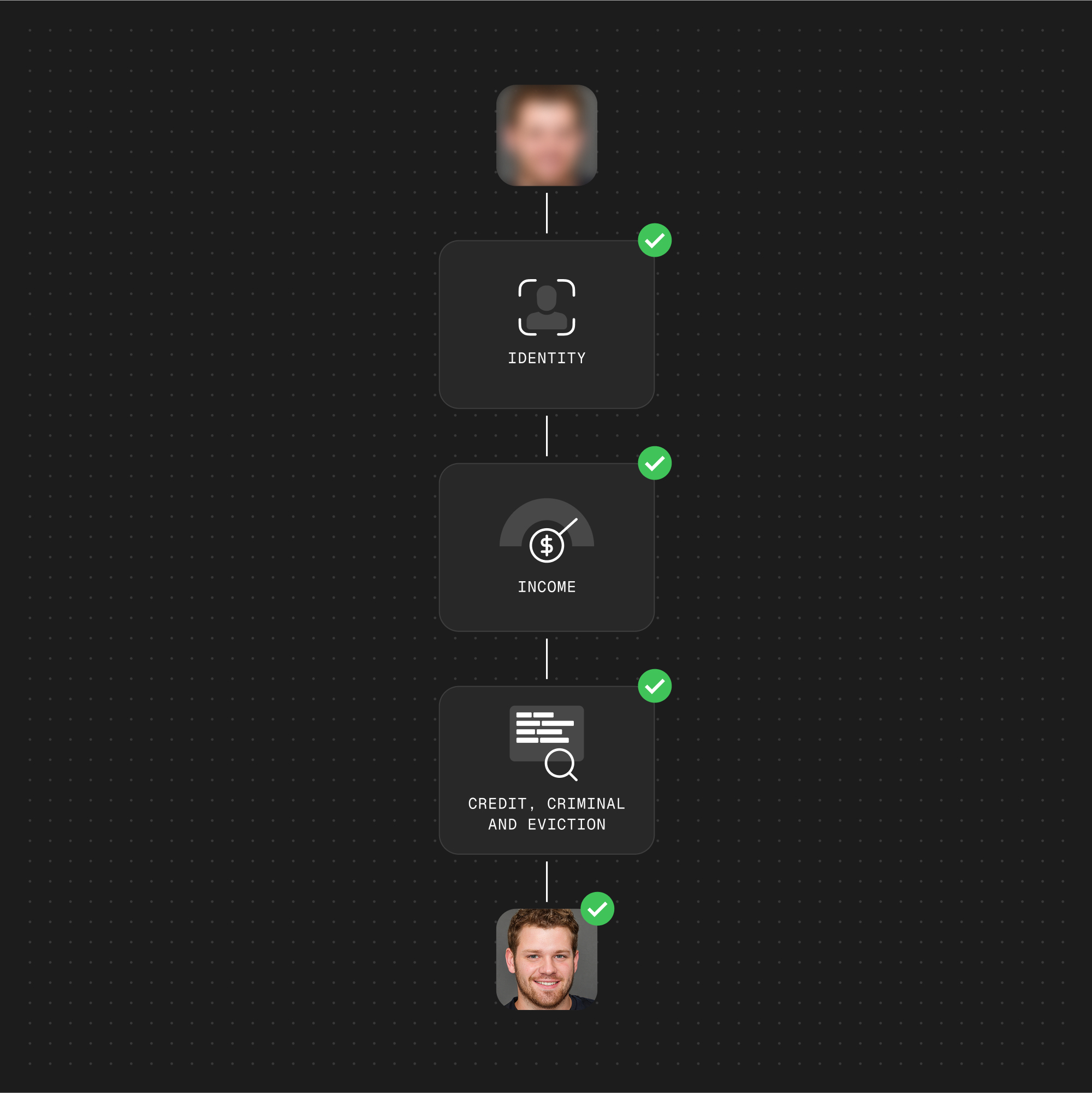
Reads income from source data
Bank statements, tax transcripts, benefits letters, gig-platform records, and bank-linked deposits — not just a W-2 or a single pay stub.
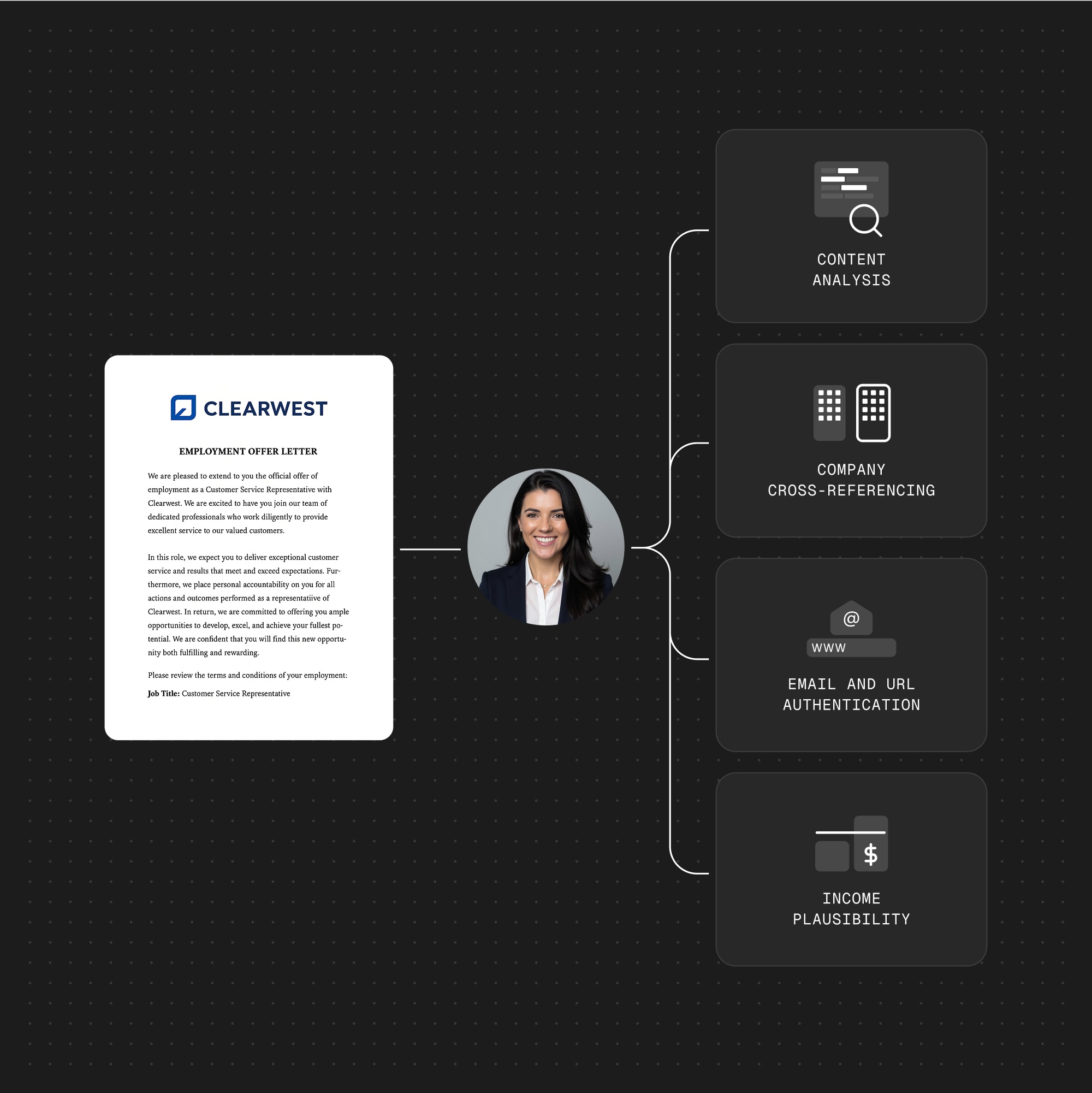
Automates the bank-linked path
When an applicant links a bank, income verification runs automatically and brings multiple sources into one picture; complex document-only cases route to Two Dots' specialists, not your team.
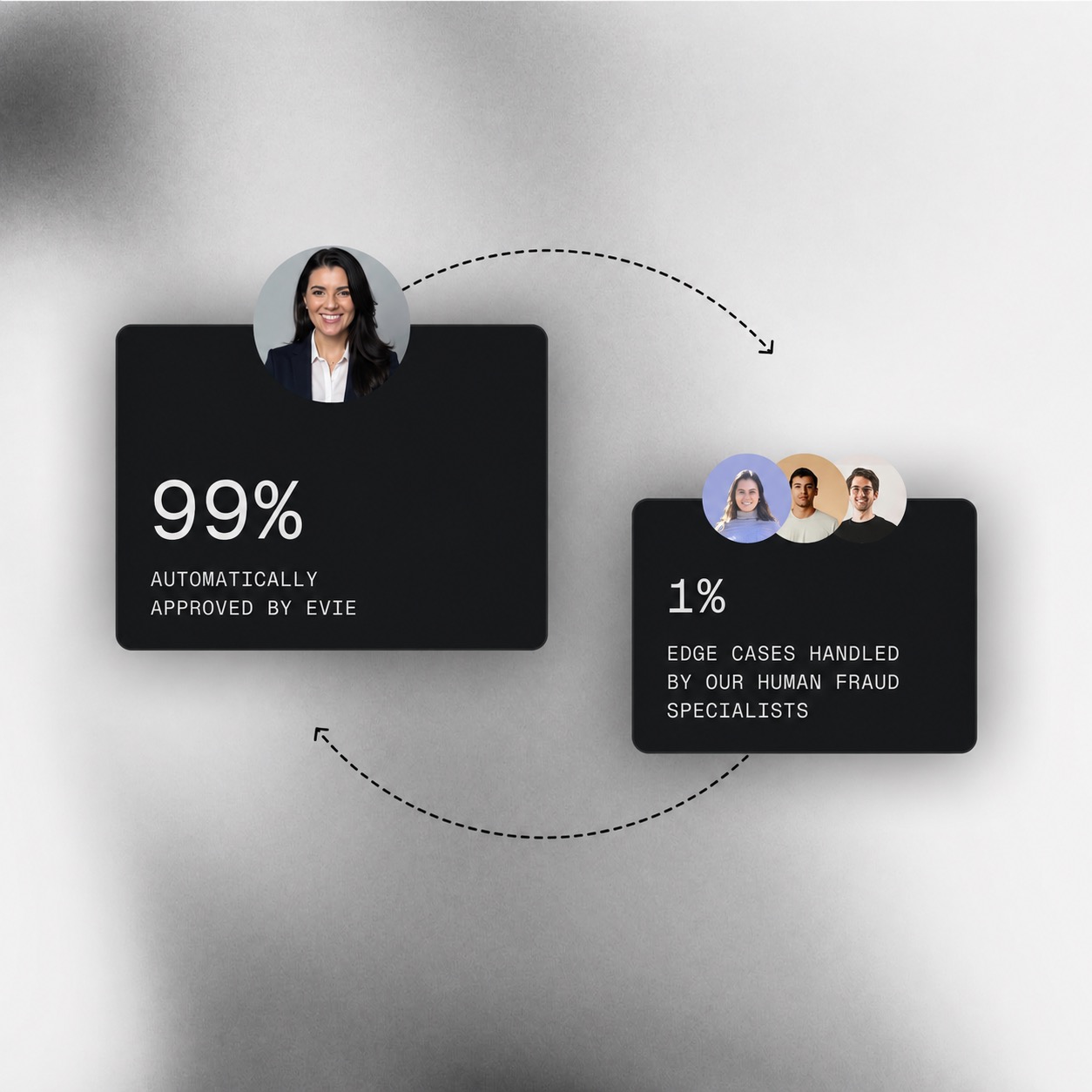
Catches fabricated income
Verifying income at the source confirms it actually exists — a stronger fraud check than reviewing a document that can be faked.
How Two Dots verifies complex income
| Applicant type | The problem with legacy screening | How Two Dots verifies it |
|---|---|---|
| Self-employed / business owner | No W-2 or pay stubs | Reads bank statements, tax transcripts, and — when shared — bank-linked deposit data to establish real income, no W-2 or pay stub required |
| Gig / 1099 workers | Variable, multi-platform income | Aggregates income across sources — gig-platform records (Uber, DoorDash, etc.), bank statements, and deposit data — into one verified picture |
| Multiple income streams | Pay stubs show only part of the picture | Runs multi-source income calculations to capture total verified income, not just one pay stub |
| Cash-heavy or irregular income | Hard to document | Uses bank statements and bank-linked deposit history to surface consistent income that pay stubs can't document |
Two Dots platform data.
I love the fact that we can take offer letters. That was something we always struggled with. Having the correspondence happen between the applicant, the employer, and Two Dots has really cut down on the workload.
Why source-data verification works where pay stubs fail
A pay stub is a claim about income; the underlying records — bank statements, tax transcripts, deposit history, platform earnings — are evidence of it. For a salaried W-2 employee the two line up neatly, so legacy screening gets by. For a freelancer with income from five platforms, or a business owner who pays themselves irregularly, pay stubs either don't exist or tell a fraction of the story. By reading the source data directly, Two Dots sees the real, total income — which both approves good applicants that pay-stub screening would reject and catches fabricated income that pay-stub screening would accept.
- Self-employed applicants and small-business owners
- Gig and 1099 workers (rideshare, delivery, freelance)
- Renters with multiple or seasonal income streams
- Operators in markets with many non-traditional earners